Te Ārai News
Read our latest blog posts
Congratulations Hamish!
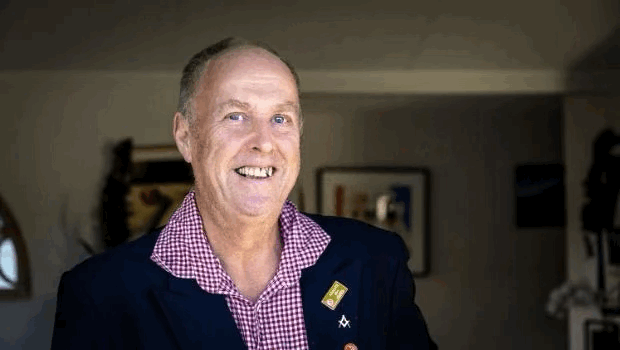
Te Ārai lived experience advisor Hamish Taverner won multiple gold and silver medals at the Special Olympic national summer games.
Supporting palliative care for underserved communities
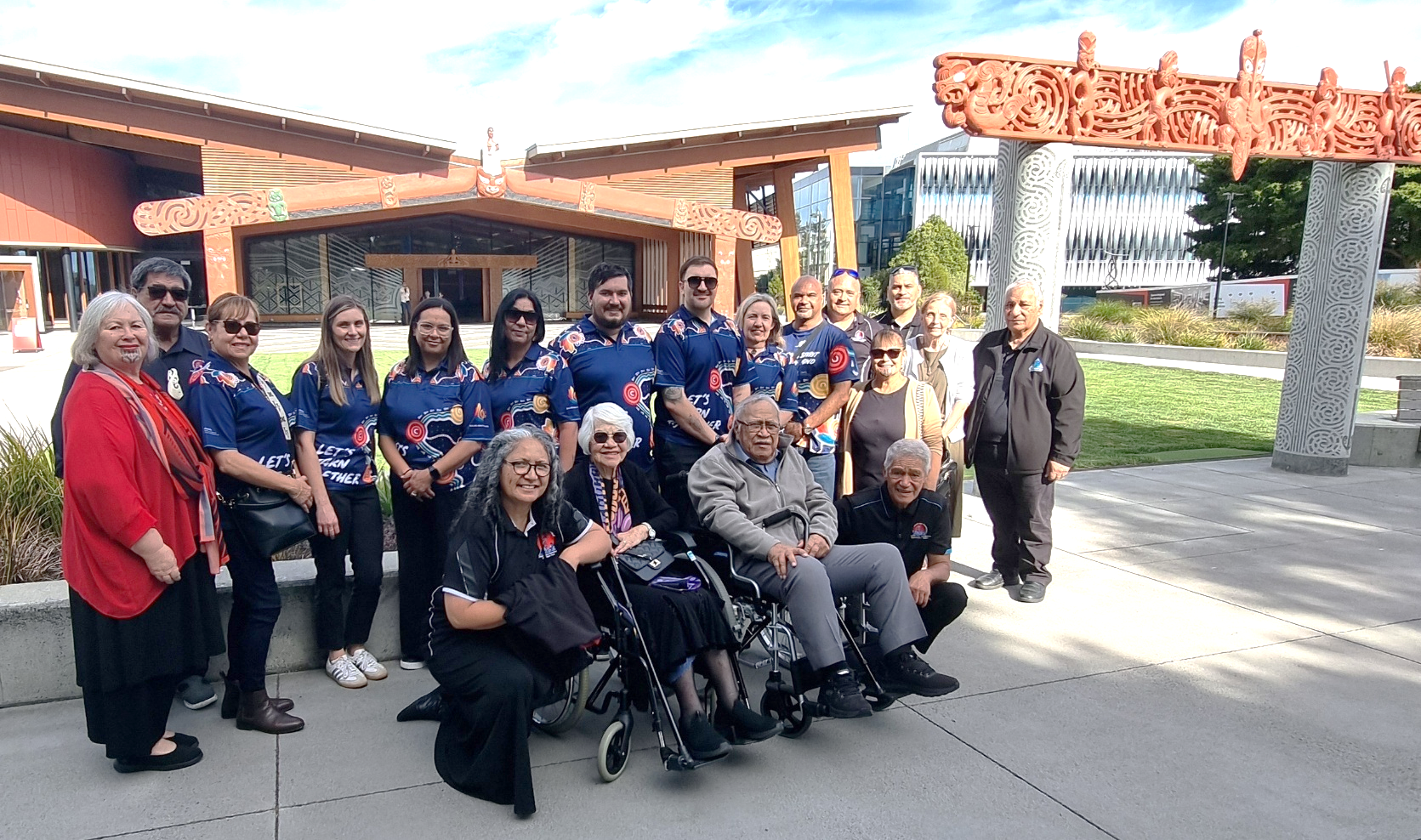
Jackie and Stella met with the Whakatāne based Hepatitis B team to discuss He Tapu Te Tangata - The Sacred Person Model.
Te Ārai retreat
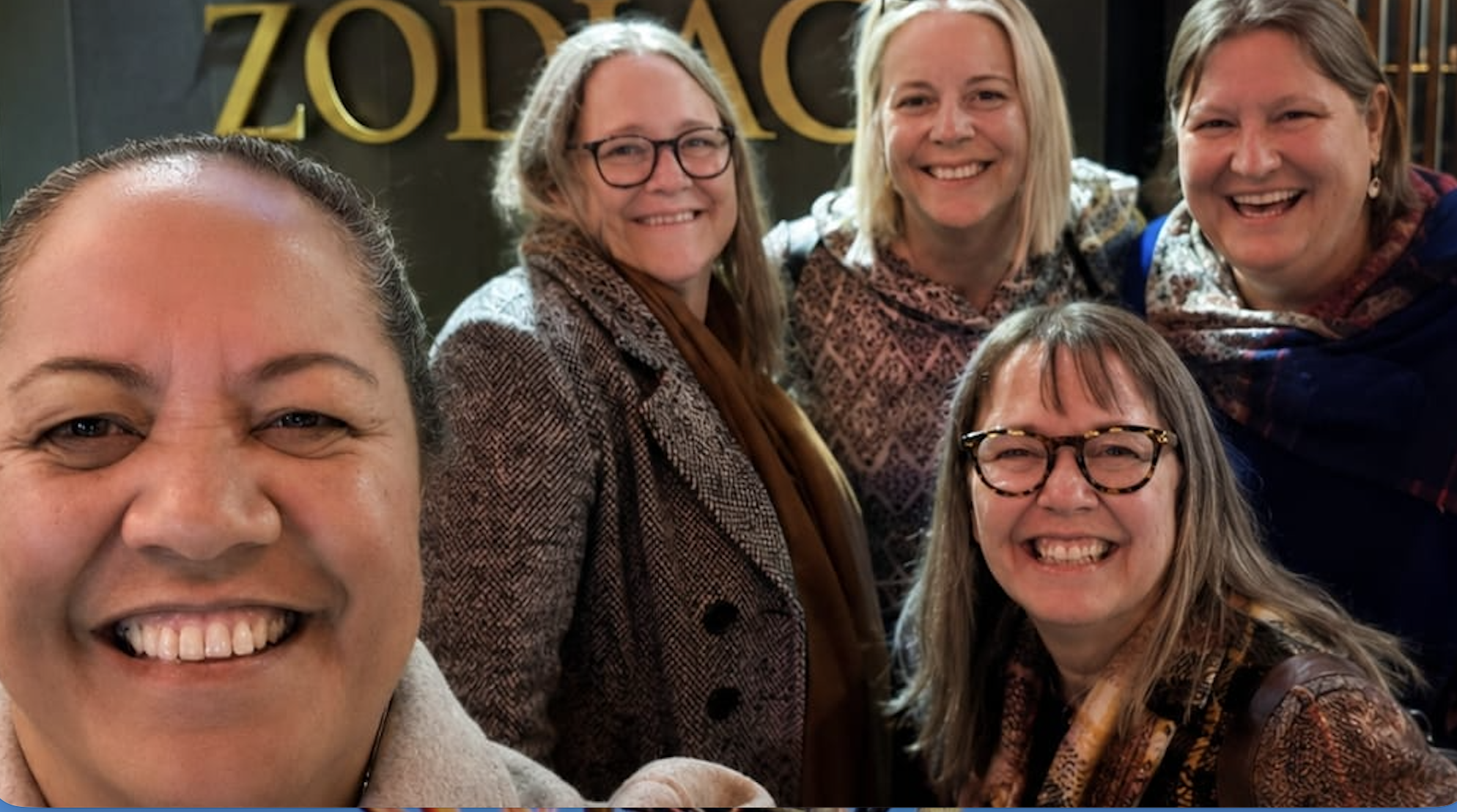
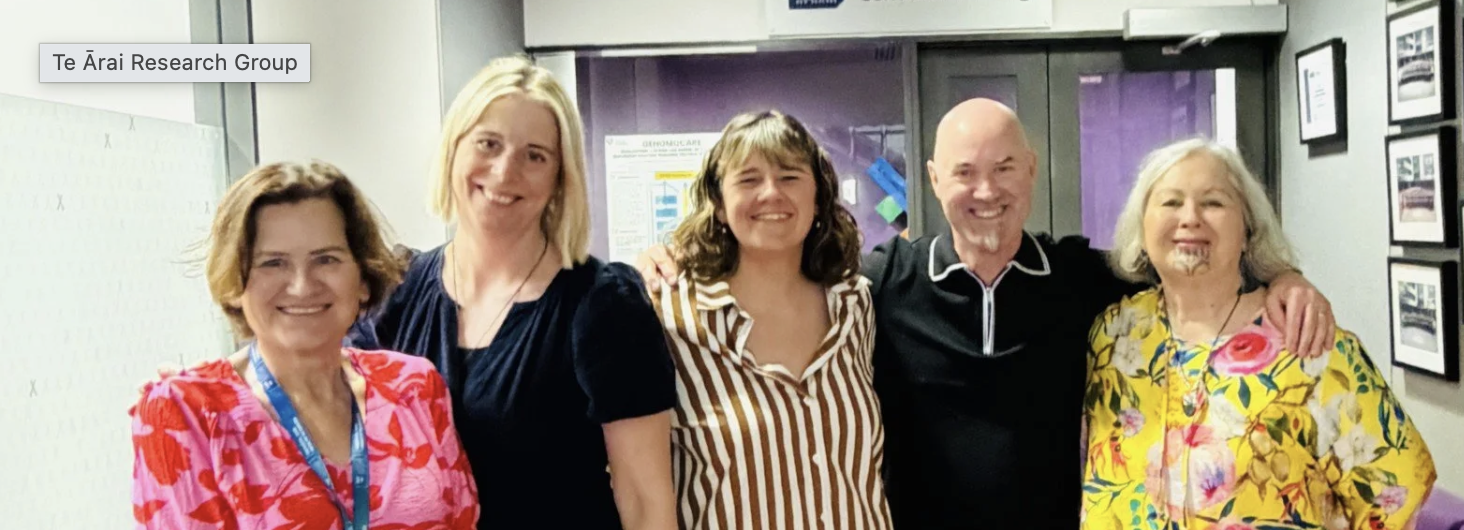
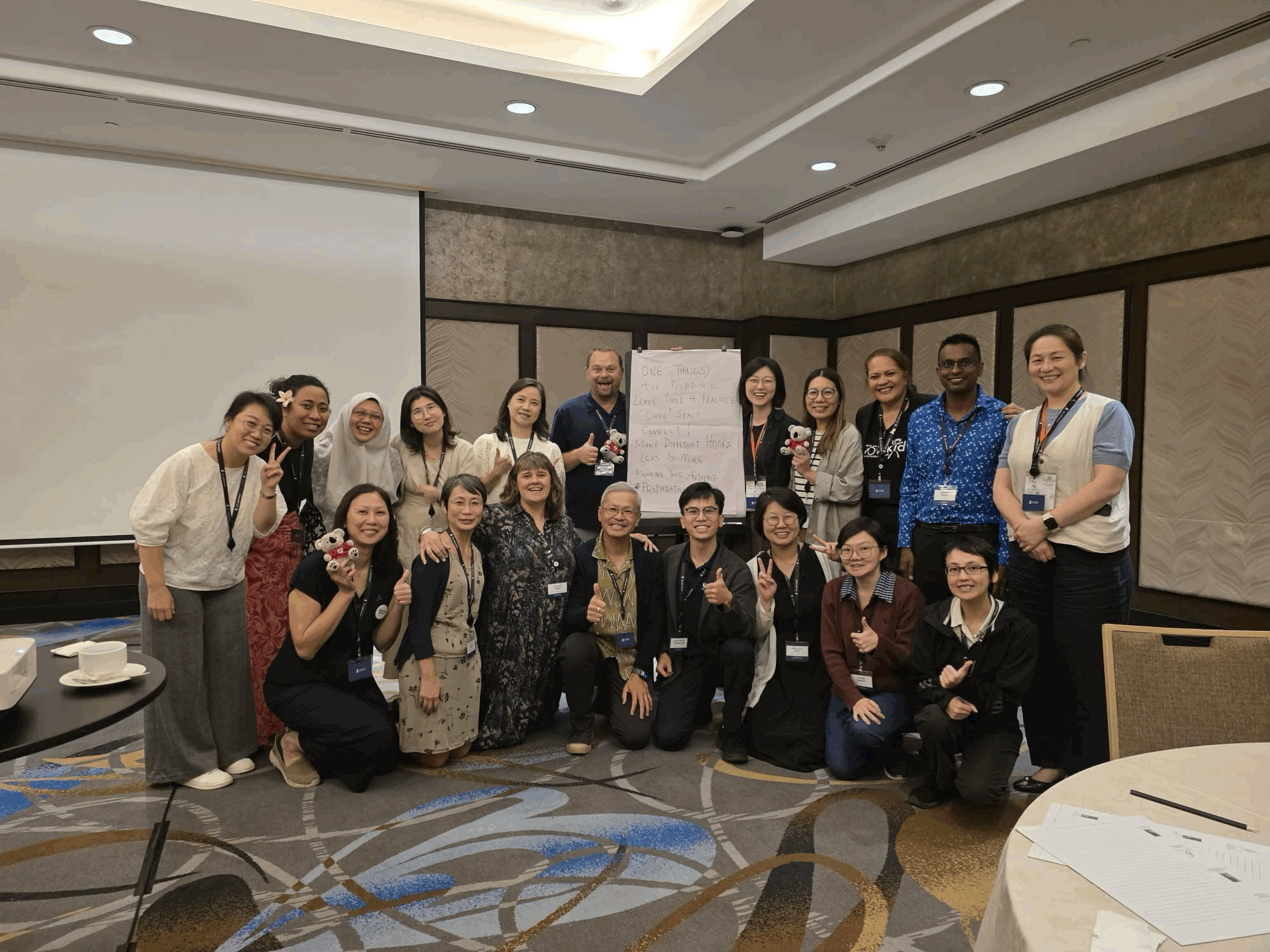
Our Te Ārai researcher whānau had a lovely few days away to recharge and reconnect.
Welcoming visitors from the Royal Thai Embassy
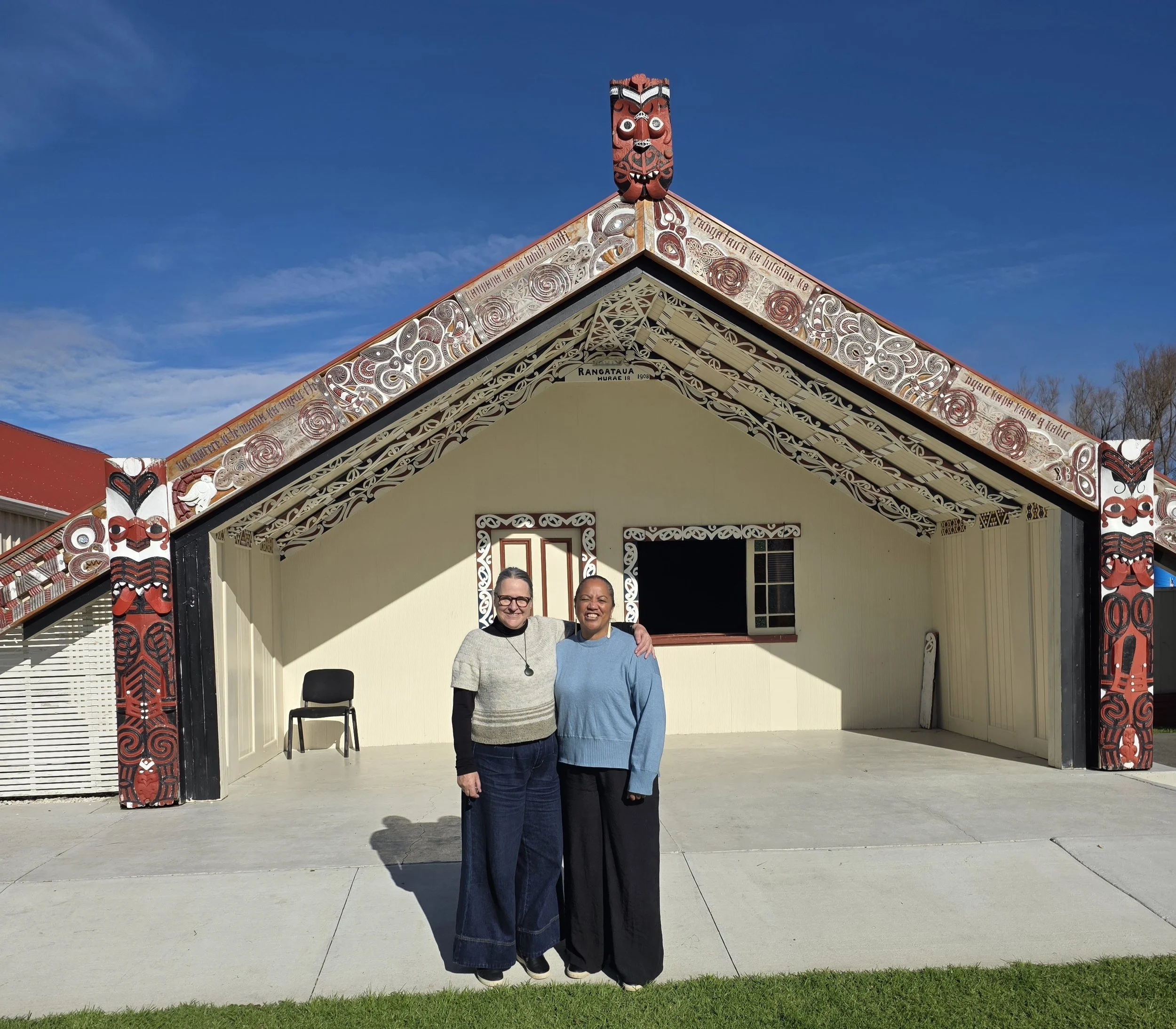
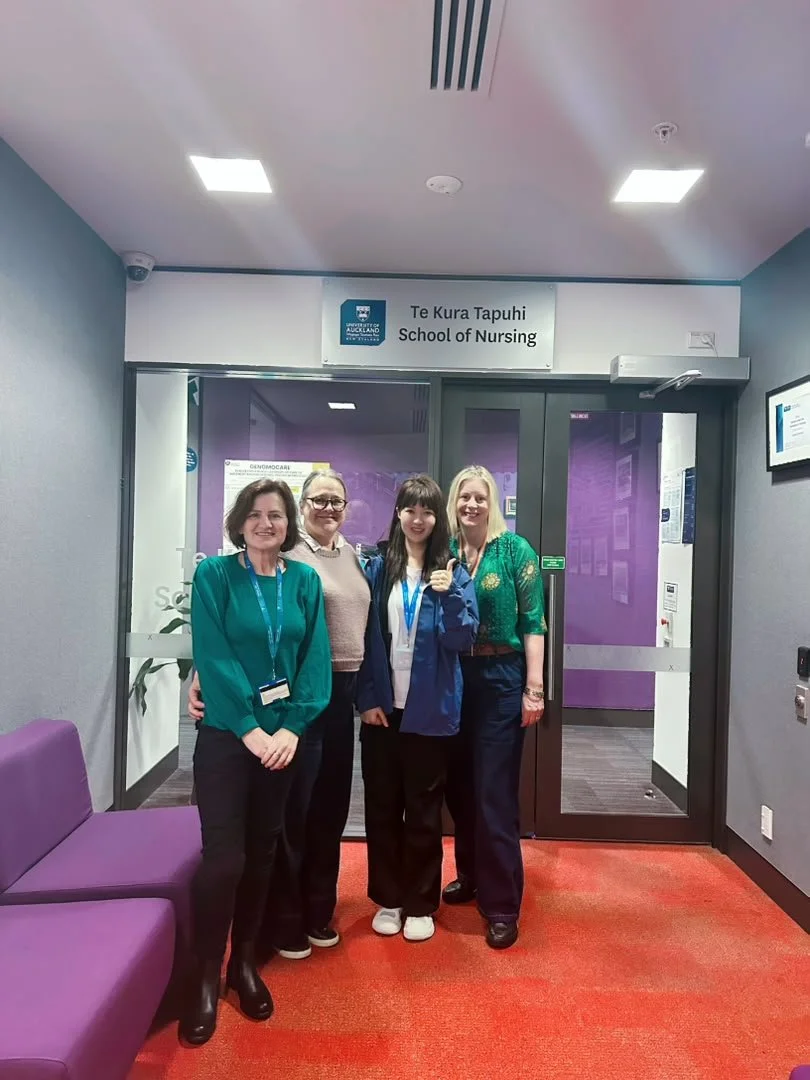
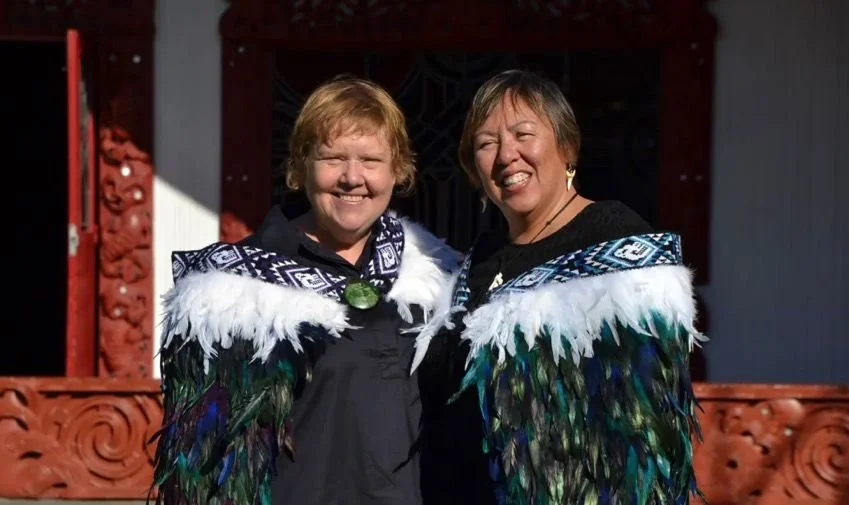
We held a mihi whakatau to welcome visitors from the Royal Thai Embassy
Emerging Researcher Award
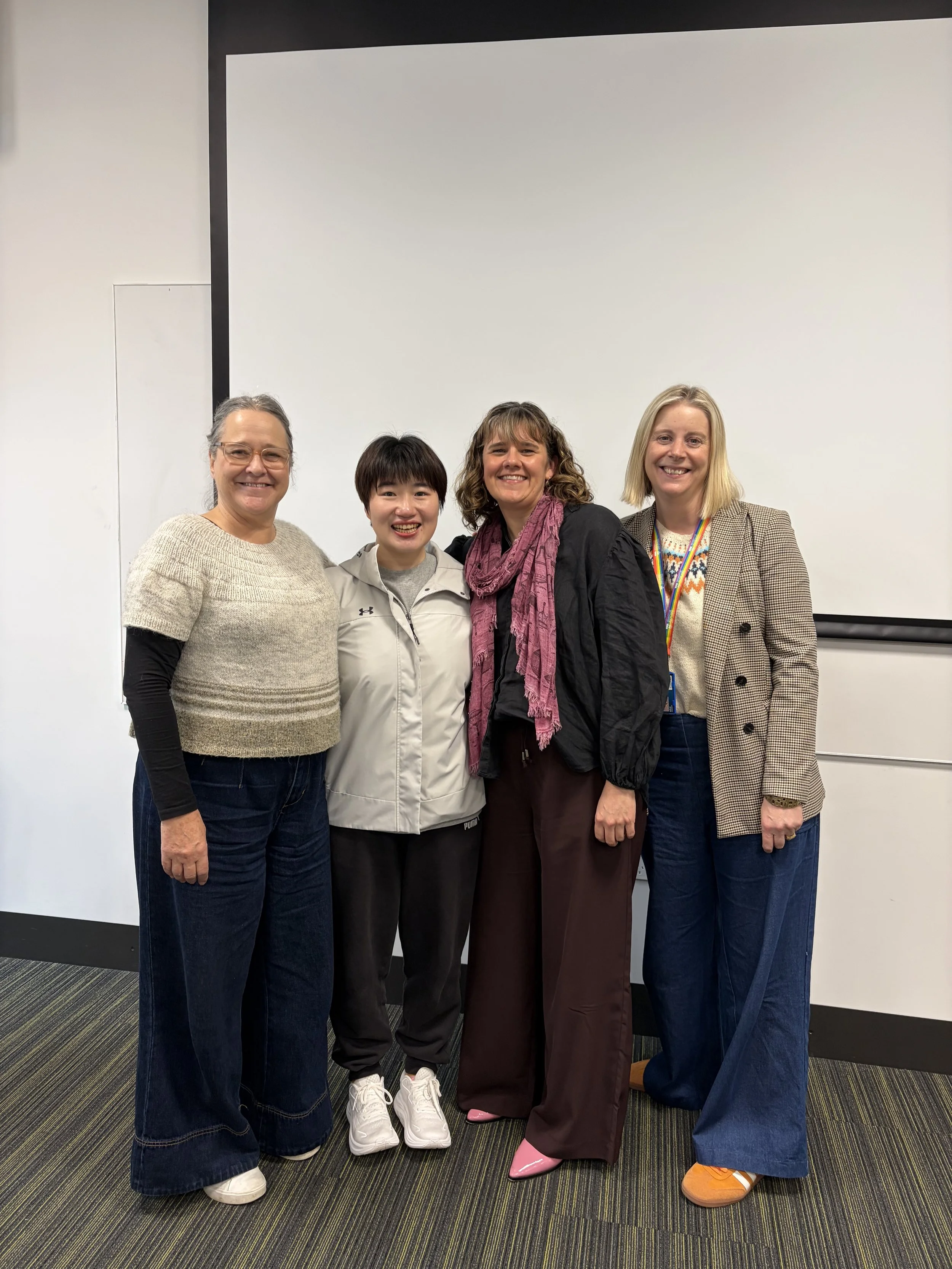
PhD student Sutthinham Codrington was awarded the New Zealand Association of Gerontology Early Career Researcher Award.
Congratulations Gemma and Tess!
Communicating with family when someone dies in the community: Six important steps for emergency ambulance personnel
This article introduces a six-step model for compassionate communication with family when emergency services are called to death. It is not a prescriptive checklist but a framework highlighting key elements of skilled, empathetic interaction.
“I do get the power of this”. Nurse educators confirm the value of using ‘Vivian’ as a teaching aid
New whānau stories
People living rurally are underserved by palliative care
Au revoir, but not goodbye
New publication: The evolution of Te Ārai
New publication: Gender and unpaid care work
Legacy planning for homeless communities
Congratulations to Eillish Satchell
Free upcoming webinar: researching with homeless communities
Paediatric palliative care education opportunities
What is the nature of clinical guidance for paramedics providing family care in out-of-hospital death in Australia and Aotearoa New Zealand?
Document analysis of emergency ambulance clinical guidelines for care of family in event of a death
Free upcoming webinar: Underserved communities in palliative care
The Te Arai Research Group, commissioned by Te Whatu Ora, gathered insights from underserved communities
to guide palliative care policy and practice. The resulting report highlights nine communities, reviews Maori and
Pacific experiences, and introduces He Tapu Te Tangata—a model for delivering respectful, culturally safe care.
This presentation will share key findings and invite discussion on improving access and equity in palliative care.