
New publication: End-of-life care in the intensive care unit: Insights from critical care clinicians, patients and families from culturally and linguistically diverse backgrounds
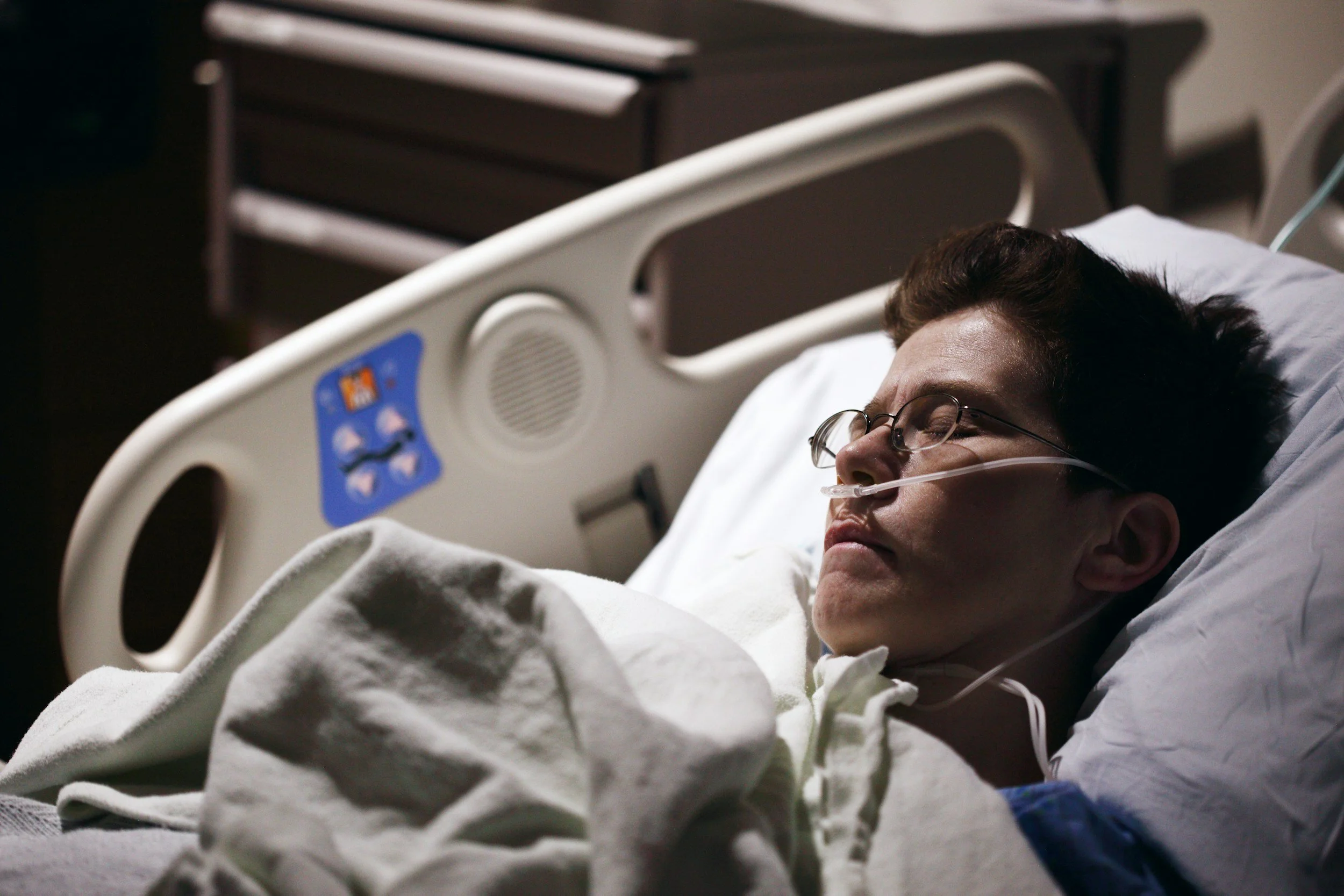
Intensively-resourced with life-support equipment and specialised staff, the most critically unwell or severely injured patients in a hospital are often cared for within intensive care units. Around 10% of patients admitted to adult ICUs in Australia and New Zealand do not survive. Patients and families from culturally and linguistically diverse (CALD) backgrounds face distinct challenges during end-of-life care in this unique setting. This scoping review maps existing research on clinician, patient and family perspectives on end-of-life communication with CALD populations in ICUs, and identifies barriers and facilitators to culturally responsive care.
This scoping review is part of an international, interdisciplinary collaboration, including Te Ārai’s Natalie Anderson and led by Intensivist and Associate Professor Krish Sundararajan.