
Pacific People's Palliative and End-of-Life Care Experiences
Pacific families in Aotearoa New Zealand often prefer to care for their loved ones at home during serious illness and at the end of life. Caring for family is deeply connected to culture, faith, and strong family relationships. However, we know that many Pacific families face challenges when trying to access palliative and end-of-life care services.
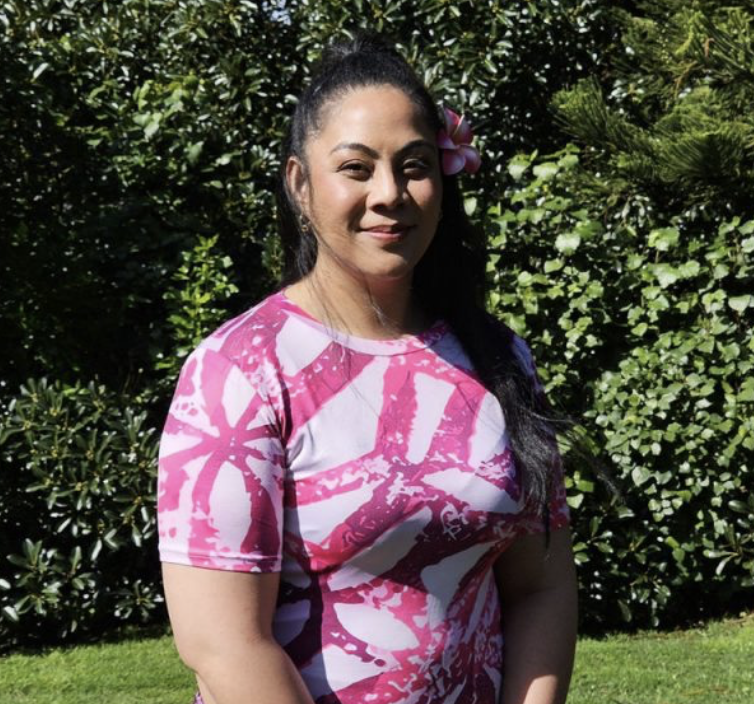
Elizabeth Fanueli
Elizabeth Fanueli led a recent review exploring the experiences and voices of Pacific people and families who have used these services. We identified 21 studies to better understand what helps — and what makes things harder — when Pacific families seek support.
Four key themes stood out:
1. Perceptions of palliative care
Some Pacific families have limited understanding of what palliative care involves. In some cases, it is associated only with death, which can make families hesitant to engage with services early.
2. The importance of relationships (Vā)
The concept of Vā — a Pacific understanding of relationships and interconnectedness — plays a central role in caregiving. Decisions are often made collectively, and maintaining respectful, trusting relationships with healthcare providers is essential.
3. Spiritual care matters deeply
Christian faith and spirituality strongly influence how Pacific families view illness, dying, and support. Spiritual practices, prayer, and church communities are often central sources of strength.
4. Barriers within healthcare services
Families reported challenges such as limited knowledge of available services, difficulty navigating the health system, and cultural misunderstandings. These barriers can make accessing timely and appropriate care more difficult.
Improving palliative care for Pacific communities is not just about increasing services: it is about strengthening relationships, improving communication, and ensuring care is culturally responsive.
Centring Pacific voices and understandings is crucial to delivering high quality culturally safe palliative and end-of-life care for Pacific people and their families. This review forms part of Liz’s PhD and a shortened version was also included in the Underserved Communities Report which is being used by Te Whatu Ora to place an equity lens on palliative care planning in Aotearoa moving forward.