
New publication: Family experiences of out-of-hospital deaths where ambulance services respond
Ambulance services respond to thousands of deaths in the community across Aotearoa New Zealand every year, yet little is known about the experiences of family members who call on emergency services in the event of a death. As part of her PhD, Eillish Satchell conducted a qualitative study, underpinned by kaupapa Māori research principles, exploring family experiences of emergency ambulance care in the context of a death.
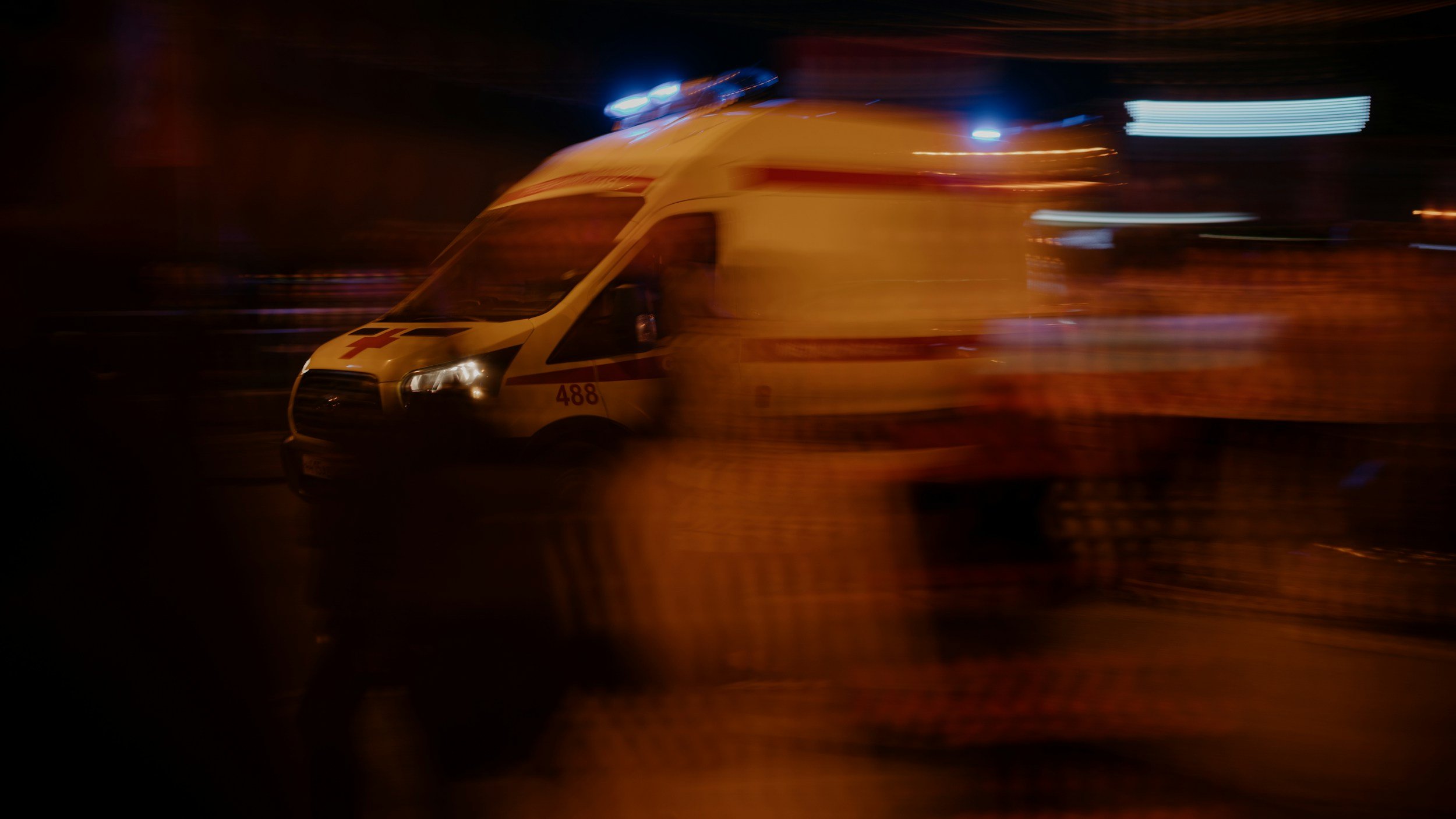
Ambulance responding at speed
“There was one ambulance officer whose job was mainly to talk to me. And I think that was quite good that instead of them all coming up to me, because it’s quite overwhelming having all of these people coming at you. They were really calm and, you know they were just explaining to me. ”
Delivering the news that someone has died is one of the most crucial communications ambulance personnel will make. Most families described that the ambulance personnel delivered the news clearly and compassionately, which improved family experiences. However, there were several instances where the family were not notified or did not understand that their family member had died.
“They just all suddenly stopped doing CPR. There was this beeping sound like beep, beep, beep, and I thought, oh, it’s his heart, you know, his heart’s going. Because they’d done a few [mimes shocks]. And I was like oh, they’ve got his heart going even though he was still lying there. But then everyone disappeared, and we were standing around thinking what’s happened? Is he all right? Can we get in and be by him, you know? And then someone walked around, a young guy, and I’m not sure if he was an ambulance or a fireman, and he said, ‘Oh, are you family?’ And I said ‘Yes’, and he said,‘Oh, I’m sorry, he’s passed.’ And it’s like, what? You know, we couldn’t believe it. Anyway, his koro [grandfather] let out this huge wail, and we were just all walking around in the rain, and we didn’t know what to do. ”
Families’ experiences and their perception of emergency ambulance care were impacted by how personnel responded to their grief. Actions from emergency services that showed compassion were reported as supportive. Compassion could be shown through emotional gestures, such as empathising with family, addressing emotional needs, and practical actions, like organising funeral directors or offering food and drink. Treating the deceased with care and compassion was also highly impactful on family experiences.
“Once they realised that there was absolutely nothing they could do for [my brother], they did focus their attention on the rest of us. It couldn’t have been a better experience from the ambulance crew. My father kept on apologising to them, and they calmed him down and said, ‘Look, it doesn’t matter if we’re here for the next four or five hours. We need to make sure everybody who was involved in this is okay.’ The female officer was lovely. She really took the time to calm Mum down, made her a cup of tea, and got her settled.”