
Launching Aotearoa’s First Māori Resources on Assisted Dying
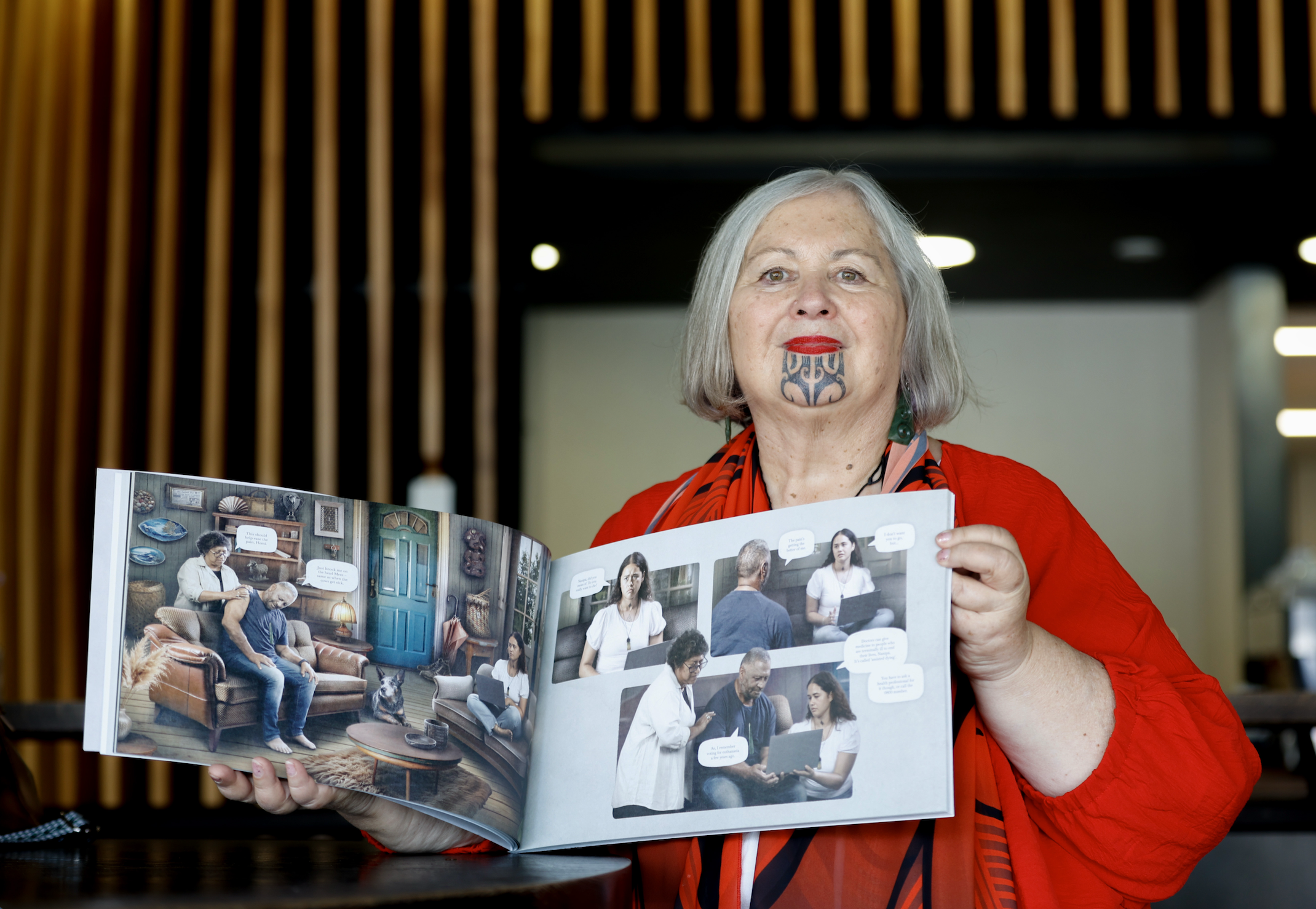
Tess holding a copy of one of the new graphic novels to support whānau learn more about Assisted Dying
It’s been an exciting couple of weeks with Tess leading the launch of Aotearoa’s first dedicated Māori resources on assisted dying. These offer whānau culturally grounded guidance on the End of Life Choice Act (2019) and what assisted dying looks like in practice.
Tess was supported by Te Ārai research advisors and the Kāhui, as well as the two other project named investigators - Jackie Robinson and Professor Linda Nikora. The new suite of resources includes two illustrated graphic novels based on whānau experiences, 18 short films, detailed information, and a new website, Pou Kāpura, a name symbolising the flame that lights the way for whānau navigating a dark or uncertain path.
A blessing and formal launch were held on Monday 2 March at Waipapa marae at Waipapa Taumata Rau, the University of Auckland.
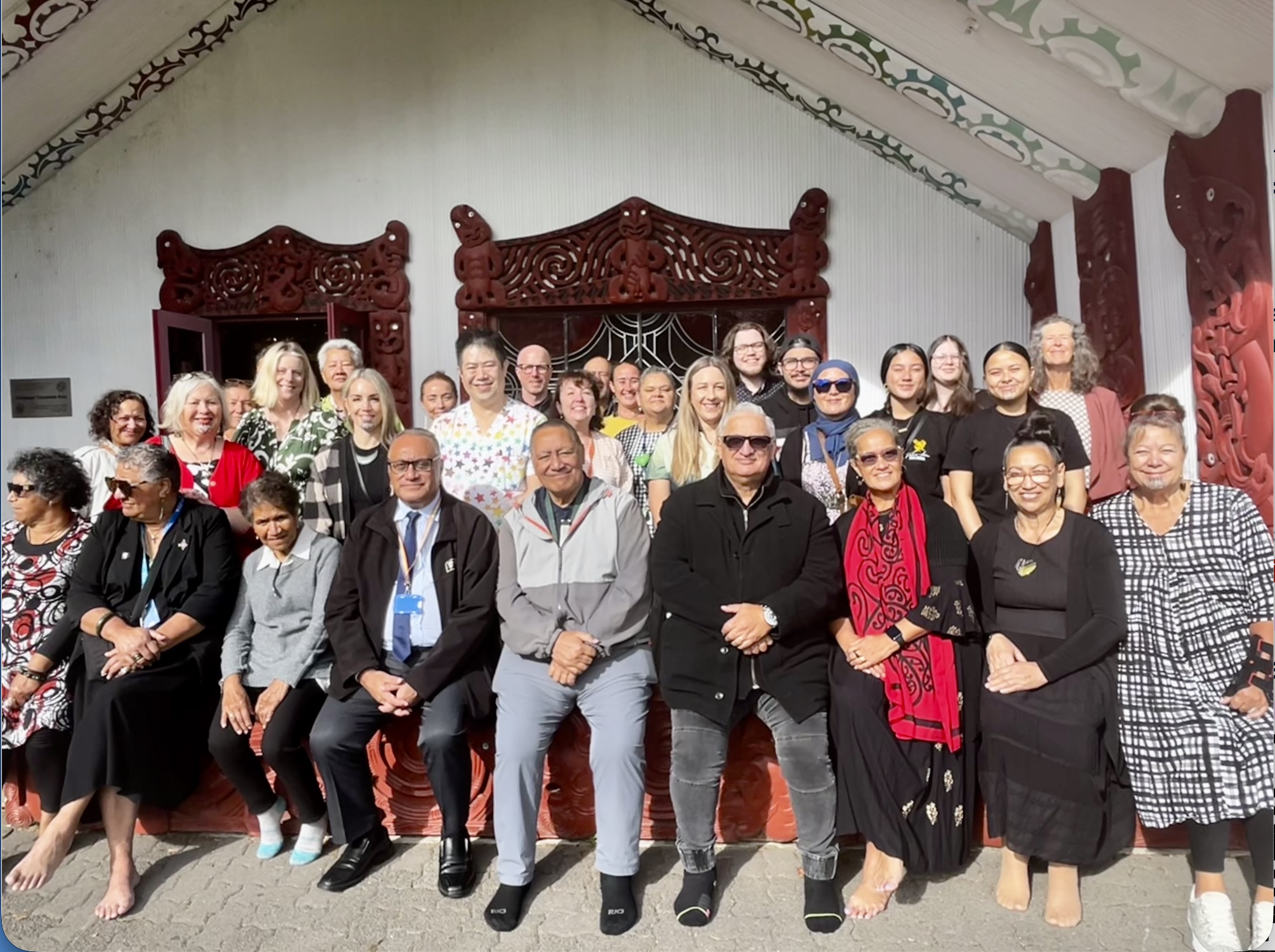
Attendees at the launch at Waipapa Marae
A tapu kaupapa shaped by whānau
The impetus for Tess for the project was responding to cultural and personal responsibility. She reflected that:
“Our whānau have always assisted each other in dying, but the End of Life Choice Act introduces an entirely different, legally regulated way to die. I realised some of our whānau would want to use this or consider choosing it, and they needed clear, culturally safe information to make a genuinely informed decision.”
This led to an application to the Health Research Council who generously supported the three year project. Despite the tapu nature of the topic, recruitment exceeded our expectations. Over 60 interviews were completed with more than 100 participants, including whānau who used assisted dying, those who considered it but declined, applicants who were not eligible, and a wide range of clinical and cultural support workers. Interviews also included Māori who opposed assisted dying, ensuring the resources reflect the full spectrum of cultural and spiritual perspectives.
What whānau told us
Participants were often navigating the Act during its earliest years, highlighting several complexities:
Eligibility requires a prognosis of less than six months to live
Applicants must be experiencing unbearable suffering
Two independent doctors must assess and agree on eligibility
Clinicians cannot raise the topic — patients must initiate the conversation
Privacy needs and differing whānau, hapū, iwi and spiritual views can shape decision‑making
Whānau supporting someone through an assisted death may carry significant emotional and grief‑related burdens
These insights underpin the Pou Kāpura resources, designed to help whānau make informed, culturally safe decisions — whether they choose to engage with assisted dying or not. The Pou Kāpura website includes written information and short films, for whānau, health professionals and anyone else interested in learning more about Assisted Dying within Aotearoa,. We will post links to the graphic novels - beautifully produced by our AUT colleague Dr Tatiana Tavares - when they are available.