How can telehealth better support palliative and end-of-life care for older adults and underserved communities?
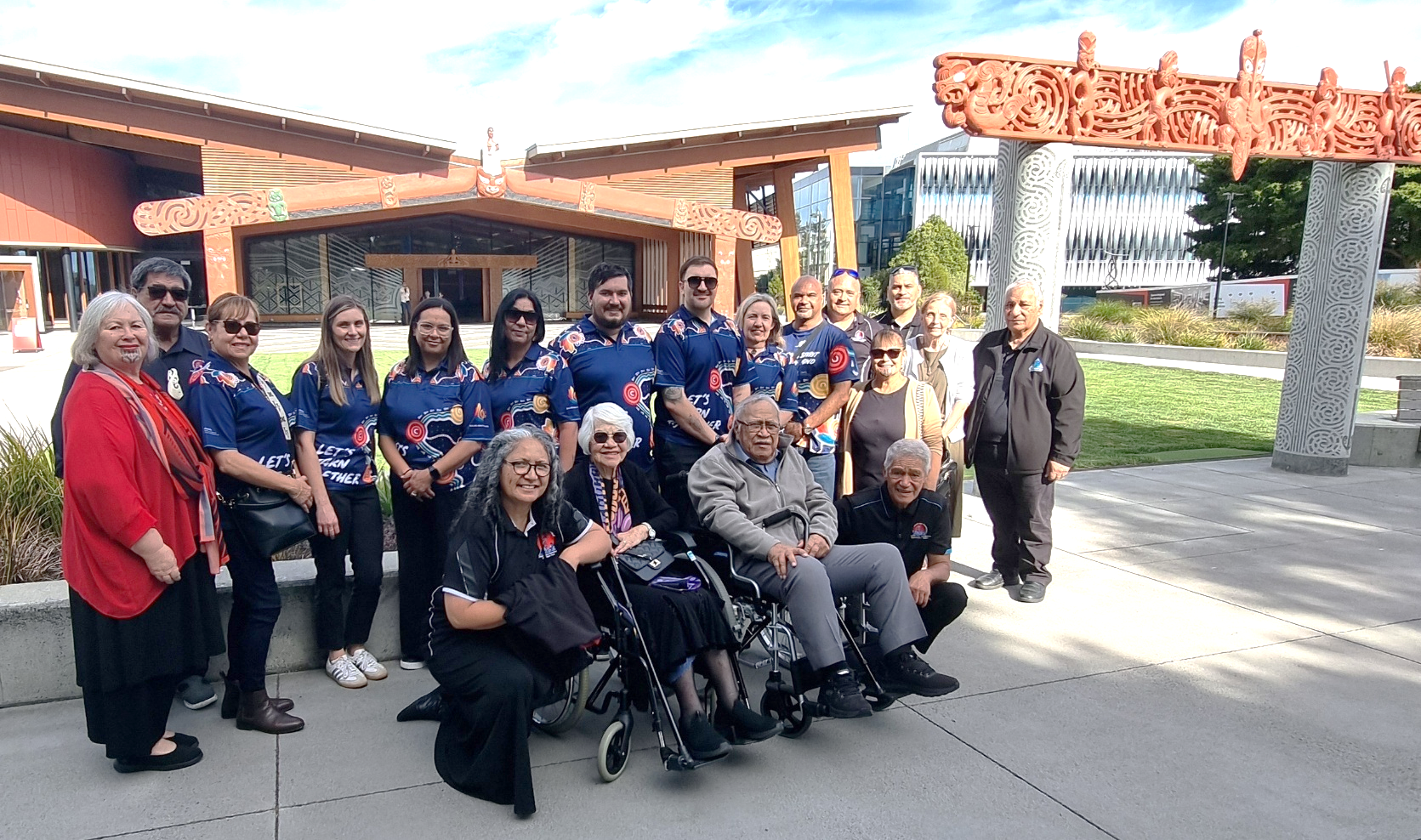
The Catalyst: Seeding project has brought together an outstanding international team of researchers, clinicians, community leaders, and Indigenous organisations to explore how telehealth can better support palliative and end-of-life care for older adults and underserved communities. Led by Dr Rosemary Frey at the University of Auckland, the project involved Auckland researchers Prof Vanessa Burholt, Assoc Prof Michelle Honey, alongside international collaborators including Assoc Profs Aileen Collier and Stuart Ekberg from Flinders University (Australia), Prof Matthew Allsop from the University of Leeds Prof Sarah Mitchell, National Clinical Director for Palliative and End of Life Care for National Health Service England NHS England,, (United Kingdom), Dr Jarrad Benbolt-Agius and colleagues from the Northern Adelaide Local Health Network, Cindy Paardekooper founder and director of the National Aboriginal and Torres Strait Islander Palliative Care Association (NATSIPCA), and Toni Shearing, Executive Director Aboriginal Health with Northern Adelaide Local Health Network. Working closely with community partners, including Rangimahora Reddy (CEO) and the Rauawaawa Kaumātua Charitable Trust, the team conducted international exchanges, site visits, hui, and knowledge-sharing activities across New Zealand, Australia, Ireland, and the UK. Their findings show that while telehealth can increase access to palliative care, its success depends on being culturally safe, relationship-centred, and community-governed. The project has not only generated valuable insights for improving care for Indigenous peoples and other underserved populations but also established a strong foundation for future international research and service development focused on equity, ageing, and digital health innovation. Links to the reports from these exchanges can be found by clicking the buttons below: