
Mental Illness, Addiction and End-of-Life Care: What Can Healthcare Data Tell Us?
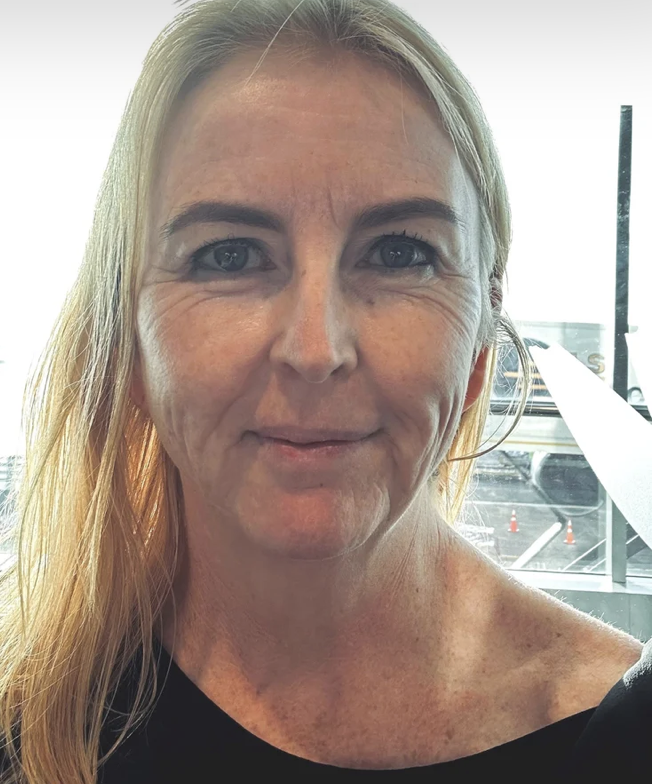
Helen Butler has published new research exploring service use by people with serious mental illness in the last year of life
People living with mental illness and addiction experience some of the most significant health inequities in Aotearoa New Zealand. They are more likely to live with multiple long-term conditions, more likely to experience socioeconomic disadvantage, and more likely to die earlier than the general population. Despite this, very little is known about what healthcare looks like for this group during the last year of life.
A newly published study led by Helen Butler begins to address this gap. The research was conducted by Helen as part of her PhD and examined healthcare use during the final year of life for 475 adults who had sustained contact with specialist mental health and addiction services and died between 2015 and 2020. Importantly, the study used an intersectionality-informed approach, recognising that people's experiences are shaped not by a single characteristic or diagnosis but by the interaction of multiple factors such as ethnicity, gender, age, socioeconomic deprivation, and mental health status.
The findings reveal a complex picture of healthcare access and utilisation. Most people had contact with one or more health services in their final year of life, suggesting there were opportunities for healthcare professionals to recognise and respond to emerging palliative care needs. However, access to specialist palliative care services was uncommon. Fewer than 10% of participants received hospice care and, among those who did, most had a cancer diagnosis.
Perhaps one of the most important insights from the study is that diagnosis alone does not adequately explain healthcare experiences at the end of life. The research identified considerable variation across intersecting identities and social circumstances. Many participants lived in areas of high socioeconomic deprivation, Māori were over-represented within the cohort, and patterns of healthcare use differed across combinations of ethnicity, gender, age, deprivation, and diagnosis.
The study also highlighted the significant overlap between mental and physical health. Almost two-thirds of participants had at least one recorded physical illness, with many living with multiple long-term conditions. Heart disease was the most common recorded cause of death, reinforcing growing evidence that physical health outcomes for people with mental illness and addiction require greater attention across the healthcare system.
Importantly, the findings challenge assumptions that people with mental illness and addiction have little contact with healthcare services. Most people in the study interacted with primary care, hospitals, emergency departments, mental health services, or residential care during their last year of life. Rather than a complete absence of healthcare, the findings suggest that opportunities to recognise and respond to palliative care needs may be being missed within services that people are already using.
The research has important implications for policy and practice. It suggests the need to strengthen palliative care capability across generalist settings, including primary care, hospitals, residential aged care, and mental health services. It also highlights the importance of integrated, culturally grounded, and trauma-informed approaches that recognise the interconnected physical, psychological, and social needs of people with mental illness and addiction.
For Helen, the study represents one component of a wider PhD programme focused on understanding inequities in palliative and end-of-life care. By applying an intersectionality lens, the research moves beyond traditional approaches that focus on a single diagnosis or demographic characteristic. Instead, it asks a more nuanced question: how do multiple forms of disadvantage interact to shape people's experiences of healthcare near the end of life?
The answer is complex, but the message is clear. If Aotearoa is to achieve more equitable palliative care, we need to look beyond diagnosis and pay closer attention to the social, cultural, and structural factors that influence how people access and experience care.
The full paper, Patterns of healthcare including palliative care in the last year of life for people with mental illness and/or addiction: An intersectional cohort study, was authored by Helen Butler, Jackie Robinson, and Merryn Gott and published in Palliative Care and Social Practice.