
This November, we took Te Ārai across Te Moana-nui-a-Kiwa to the beautiful island of Rarotonga to attend the International Network of Indigenous Health, Knowledge & Development (INIHKD) 2026 Conference. Dr Eillish Satchell shared some of her PhD research exploring how emergency ambulance services can support whānau during out-of-hospital death and dying.
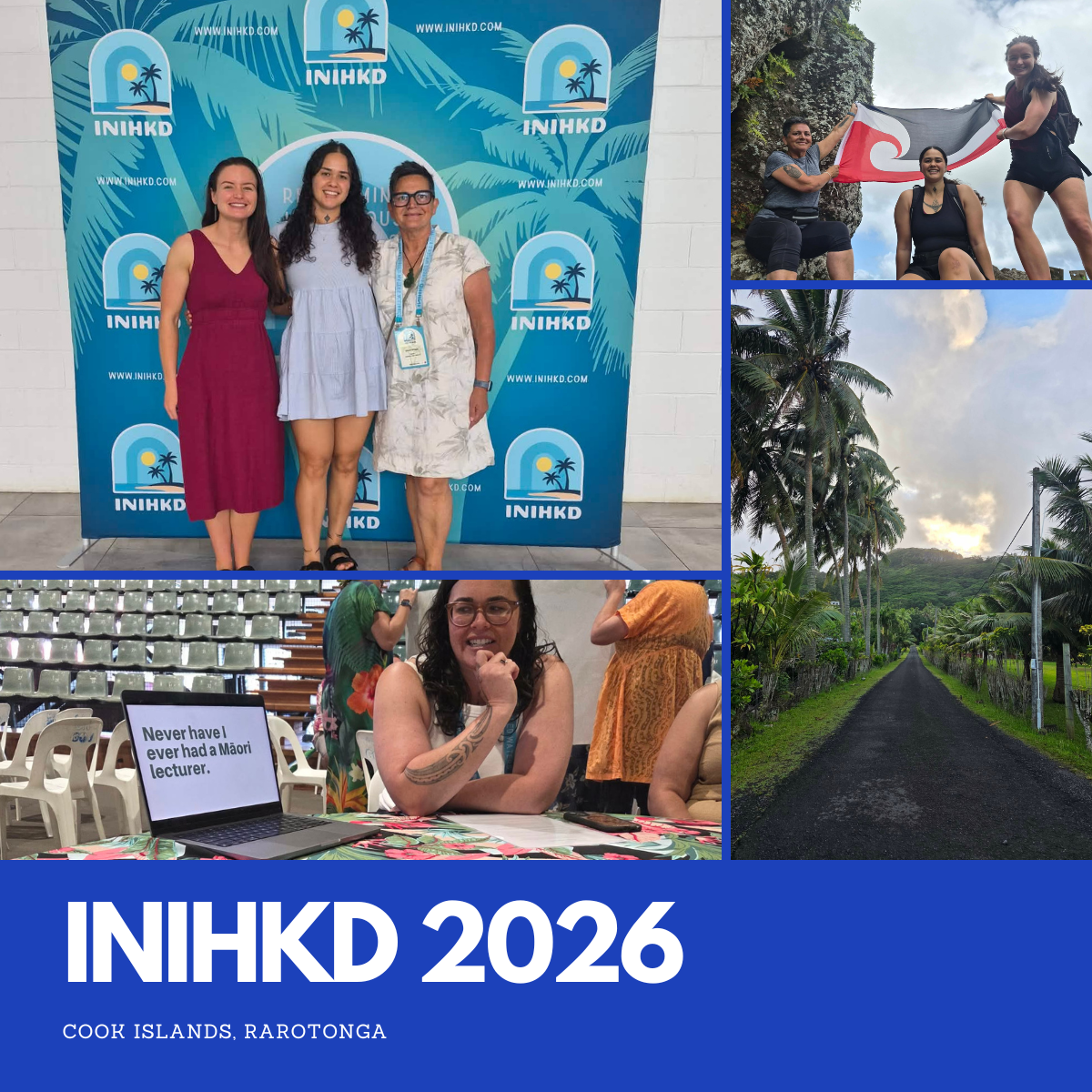
This year's conference theme, Reclaiming Indigenous Ecologies of Love, prompted many reflections on our work in death, dying and bereavement. It reminded us that while loss is often associated with sadness and grief, it is also an expression of love. Across the conference we were reminded of the whakataukī, Nā koutou i tangi, nā tātou katoa [when you cry, your tears are shared by us all]. The whakataukī speaks to the collective nature of grief and highlights how love forms such an important part of our death and dying tikanga. Aroha is present throughout much of traditional practices, in the ways whānau gather to support one another, share stories, laugh, and remember those who have departed Te Ao Mārama [the world of life]. Even in death aroha continues, as the wairua of those who have died enter into the loving care of our ancestor, Hine-nui-te pō. Aroha always remains central to our processes of grieving.
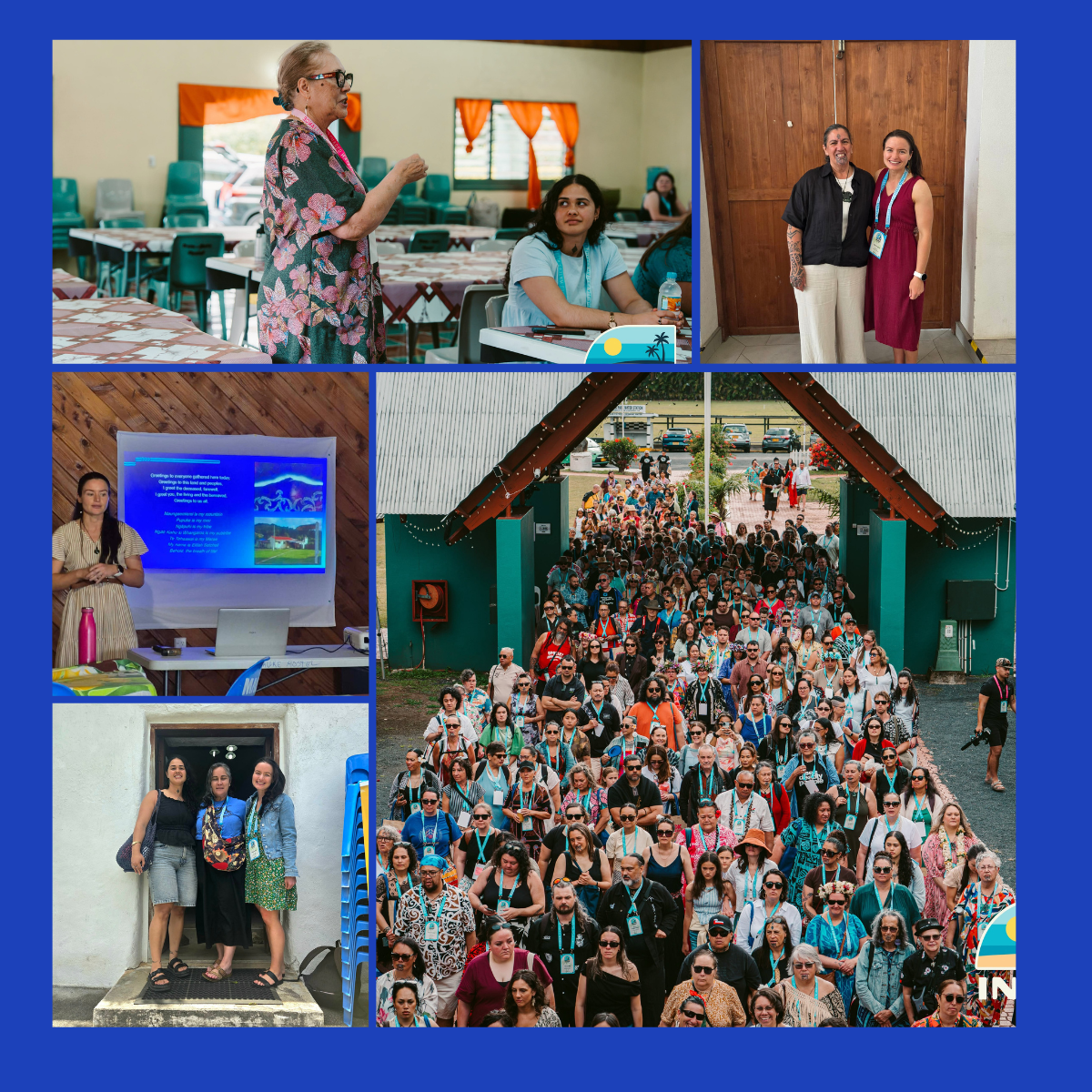
Walking beside whānau as they navigate the loss of someone they love is both challenging and deeply rewarding as healthcare professionals. Through sharing our research, we hope to contribute to the preparation of future healthcare professionals, helping to grow recognition that recognising love forms an essential element of compassionate end-of-life care.