
Priorities for future end of life care research with people with learning disability
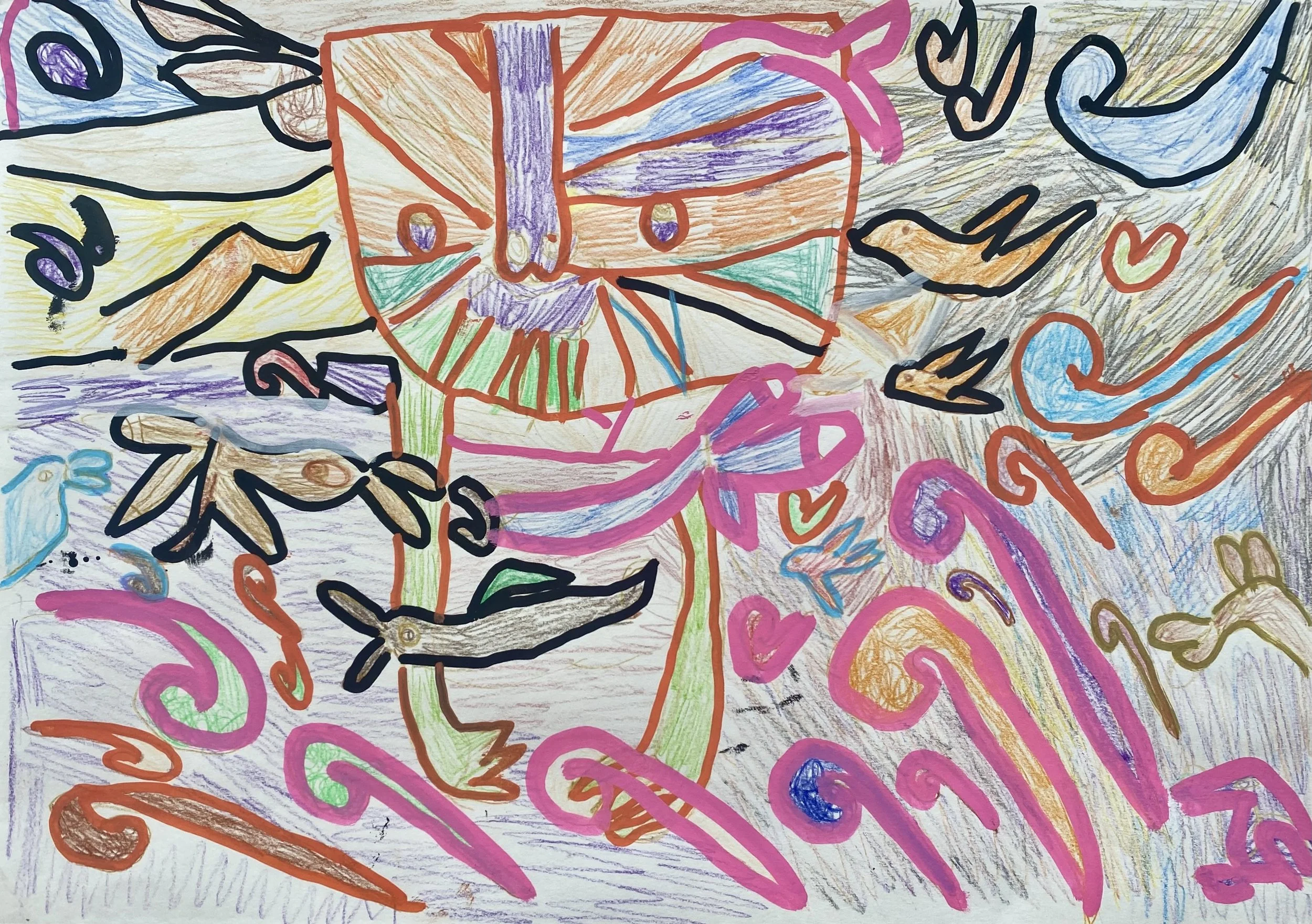
This beautiful artwork is by Sheree Whaiapu, an artist with lived experience of learning disability, from Studio2 in Dunedin.
Over the last year Nic McKenzie, Wendy English, Henrietta Trip, Hamish Taverner, Jackie Robinson, and Merryn Gott have been hard at work trying to find out what research is needed to better support people with learning (intellectual) disability at the end of life. Today we are releasing a report called ‘What Next? Exploring research priorities in end-of-life care with people with learning disability in Aotearoa New Zealand.’
We were drawn to this work because of the poor experiences of people with learning disability and the gaps in knowledge and research in this area which we began exploring in the Underserved Communities report. An Activation Grant from the Health Research Council of New Zealand provided the opportunity to complete a literature review, build relationships in the sector, and work with people with learning disability, whānau, health professionals, and disability professionals to find out what would help them the most.
We heard stories and experiences of people doing amazing work, and of some really positive outcomes. We also heard sad and heartbreaking stories about care that did not meet people’s needs or preferences, of discrimination, and of difficulty in accessing the training and support that is needed for those providing care. The people who contributed to this project has clear views about what needs to change and about the type of research that could help this change to happen. Their priorities are for research about:
The stories, experiences, and wishes of people with learning disability and their whānau and supporters, so that all initiatives that follow can be shaped by what is important to them.
Ways to include people with learning disability and their supporters in decision-making about their end of life care. This may include Advance Care planning and Shared Goals of Care conversations. There was a particular focus on better supporting people with people with complex communication needs and Māori and Pacific peoples.
Training and cross-sector collaboration between health and disability professionals was identified as a priority by everyone.
We also heard about the importance for people with learning disability, including Māori and Pacific peoples, to be at the heart of all research about them, and to be included as co-researchers, advisors, and participants. There is a lot of work to do, but we now have good relationships across health and disability sectors that will enable this to happen, and clear direction about the topics that research should focus on next.
We extend our thanks to everyone who contributed to the consultation component of the project, and we are looking forward to sharing the report with you, and with the wider community over the coming months.
You can access a copy of the report here and a plain language version here.